



Hushed Luxury: Designing Silence That Feels Like Silk

Today we explore acoustic comfort strategies for a serene, high-end home, translating engineering rigor into tactile calm. From wall assemblies to whispered HVAC, curated textiles, and thoughtful rituals, you’ll learn how to orchestrate quiet that flatters art, sleep, and conversation. Join us, share your experiences, and refine silence together with practical details, lived stories, and elegant solutions that respect architecture and lifestyle.

Quiet Starts in the Structure

Silence is built, not sprinkled on at the end. Mass, separation, and airtightness set the foundation, while flanking paths are tracked and tamed. We’ll navigate STC targets, resilient channels, staggered studs, and concrete cores so footsteps, music, and street rumble fade gracefully before reaching your favorite rooms.

Materials That Drink Sound

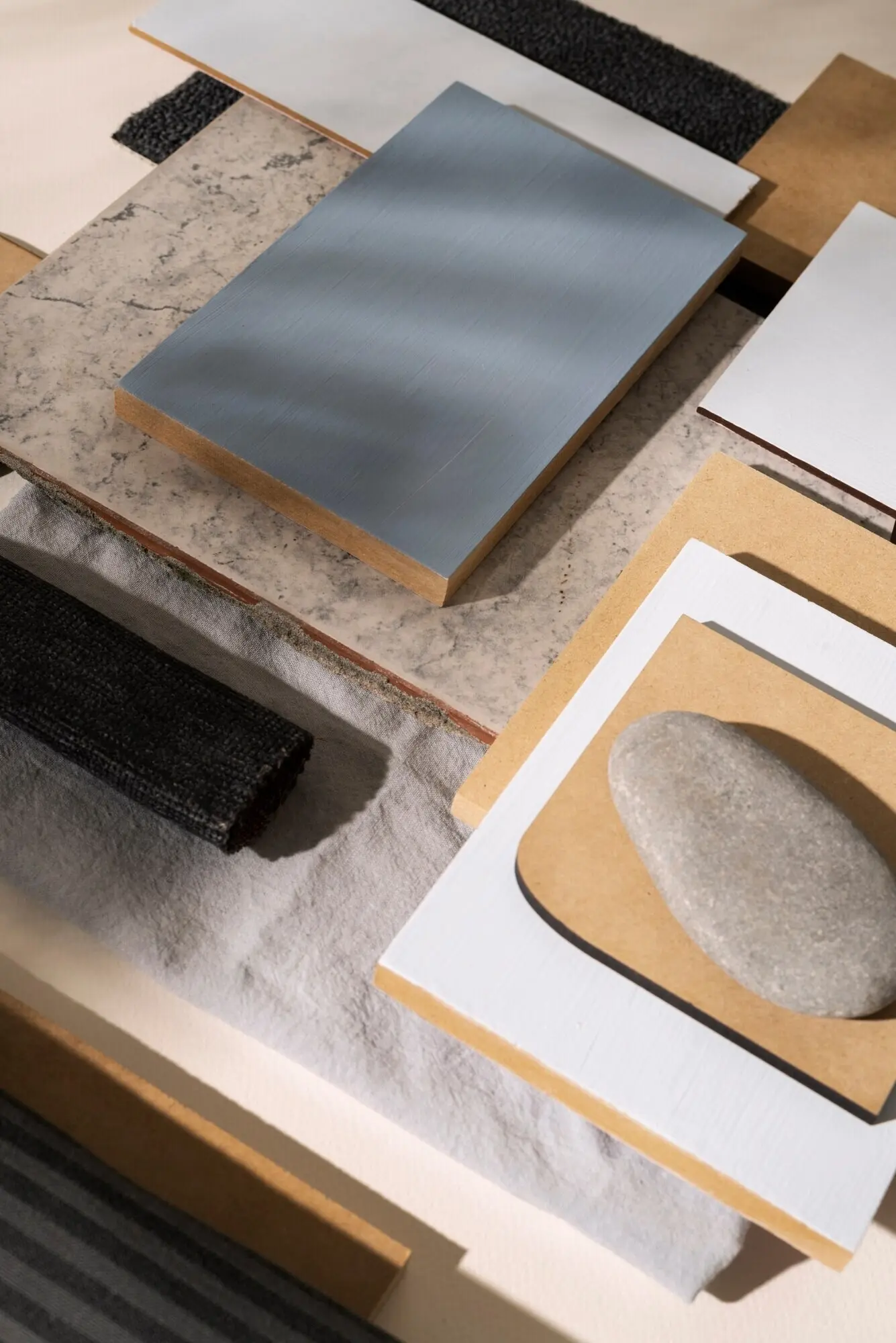
High-end interiors can be acoustically gracious without sacrificing elegance. Think NRC-rated treatments hiding in plain sight: wool velvets, interlined drapery, felt-backed slatted wood, and seamless acoustic plaster. These finishes absorb glare in both light and sound, refining reverberation times so voices glow warmly and music breathes without harsh edges.

Textiles With Purposeful Pile

Choose heavy, interlined drapery with generous fullness to meaningfully reduce reverberation and window reflections. Layer sheers for daylight while reserving velvets for evening softness. Upholstered panels behind beds and sofas add calm without shouting their function. Maintenance matters: select fade-resistant, wool-rich blends that keep their drape and acoustic performance, turning everyday comfort into a lasting, luxurious habit.

Felt, Timber, and Acoustic Plaster

Pair slatted oak with black felt backing to mix absorption and diffusion, preserving warmth while taming chatter. Wool felt wall tiles offer tactile richness and modular control. Seamless acoustic plaster systems hide high performance behind sculpted ceilings and curves. The aesthetic reads pure and minimal, yet the room’s decay time drops into a soothing, conversation-friendly pocket you immediately feel.

Windows, Doors, and the Art of Sealing the World Out

Openings decide how much city and weather reach you. Laminated glass, asymmetric panes, and careful air gaps elevate STC and OITC, while seals turn the handle into a tactile promise of hush. Solid-core doors with drop seals, aligned thresholds, and multipoint latches complete the envelope so peace arrives before you notice it.

Quiet Technology and Mechanical Serenity

Technology can be the loudest roommate or the gentlest ally. Coordinate early with engineers for low-sone fans, lined ducts, and variable-speed equipment on isolation mounts. Remote condensers, silencers, and flexible connections prevent rumble. One client’s restless nights ended when a humming utility closet gained mass, springs, and proper airflow, turning mechanical anxiety into blissful background neutrality.

HVAC That Whispers in the Background

Oversize ductwork for low velocity, line key runs, and use curved transitions instead of abrupt fittings. Select diffusers with quiet throw characteristics and provide true return paths to avoid cross-talk. Keep fans at low sones and balance systems for nighttime setpoints. The result is air you feel but never hear, a rare, indispensable luxury.

Appliances Tuned for Peace

Look beyond glossy finishes to verified noise data: dBA for dishwashers, compressors with inverter technology, and laundry machines balanced on resilient pads. Add cabinet liners, soft-close hardware, and anti-vibration feet. Induction cooktops reduce hums and fans. A kitchen can host spirited conversations while machines work discreetly, honoring the mood rather than competing for it.

Soundscapes, Zoning, and Flow

Plan serenity into the layout. Cluster active zones together and buffer quiet suites with closets, baths, and galleries. Curve or articulate long corridors to avoid echoes. Place children’s play and media spaces thoughtfully. Outside, situate generators and pool equipment strategically, using mass, distance, and landscaping so the interior remains devoted to calm conversation and deep, restorative rest.

Placing Activity Where it Belongs

Keep bedrooms and studies away from entertainment areas, stacking similar uses vertically to limit cross-contamination. A scullery buffers a lively kitchen; a library buffers a salon. The goal is graceful coexistence, not restraint. With smart zoning, the home sounds like many places perfectly orchestrated, each free to shine without trespassing on another’s tranquility.

Creating Soft Transitions Between Realms

Thresholds can be acoustic rituals. Add vestibules, pocketing drapery at galleries, and upholstered benches that visually slow movement and absorb sound. Artworks mounted on discreet acoustic backers double their presence. Passing between realms becomes a cue to adjust voice and pace, training guests and family to honor the house’s gentle, composed rhythm.

Outdoor Soundscapes That Protect Indoors

Design gardens as acoustic guardians. Fountains and rills mask sporadic noise with pleasing spectra; dense hedges and earth berms add mass where walls stop. Position grills, generators, and pool pumps away from bedrooms, inside lined enclosures. When outdoors hums with curated life, indoors can remain tuned to reflection, connection, and unhurried meals.

Wellness, Rituals, and Daily Habits That Protect Quiet

Architecture sets the stage; habits keep the performance. Soft-close routines, slippers over heels, mindful media volumes, and a device-free hour protect the acoustics you invested in. Invite family to notice before-and-after moments and celebrate them. Share your own rituals with our community so others can borrow, refine, and live more quietly, together.

Listening With Instruments and Instinct

Use a calibrated SPL app for trends, then validate critical rooms with professional testing. Walk, clap, and converse at different times of day, noting fatigue or ease. Record short binaural clips before and after changes. Data will guide you, but intuition ensures the results feel human, not merely technically correct.

Commissioning Quiet Like a Craft

Create a punch list for noise: rattling grilles, whistling under doors, buzzing transformers, and leaky seals. Balance HVAC to appropriate noise criteria and verify equipment isolation under real loads. Commissioning isn’t glamorous, yet its dividends are enormous—the last five percent that transforms pleasant rooms into the kind of serenity you remember forever.

Evolving With Feedback From the Family

Invite everyone to rate rooms for conversation ease, privacy, and sleep. Patterns reveal themselves quickly. Adjust furniture, rotate cushions, or add interlining where needed. Seasonal humidity and foliage shift acoustics; revisit settings. Share your progress in the comments and subscribe for deeper guides, checklists, and expert interviews as your quiet home keeps growing wiser.

Vutikopevixunoveriku
Privacy Overview

This website uses cookies so that we can provide you with the best user experience possible. Cookie information is stored in your browser and performs functions such as recognising you when you return to our website and helping our team to understand which sections of the website you find most interesting and useful.